Letterpress Die Cut Business Cards FAQs
What size are the letterpress die cut business cards?
They’re standard US size 3.5" x 2". If your die cut shape is smaller or irregular, it must fit within this footprint.
How thick is the stock, and what does 30 pt mean in hand?
30 pt Smooth White Uncoated is about 0.030" thick, sturdy, premium, and noticeably rigid, ideal for deep letterpress impression without flimsy flex.
How many ink colors can I use with letterpress on the front?
You can choose 1, 2, or 3 spot colors on the front (or none). Each color requires its own plate and pass; tight registration designs should allow for trapping.
Can you print on the back, or is this front-only?
This configuration includes letterpress on the front only. You can upload a back file for reference, but the back will be unprinted unless arranged as a custom add-on.
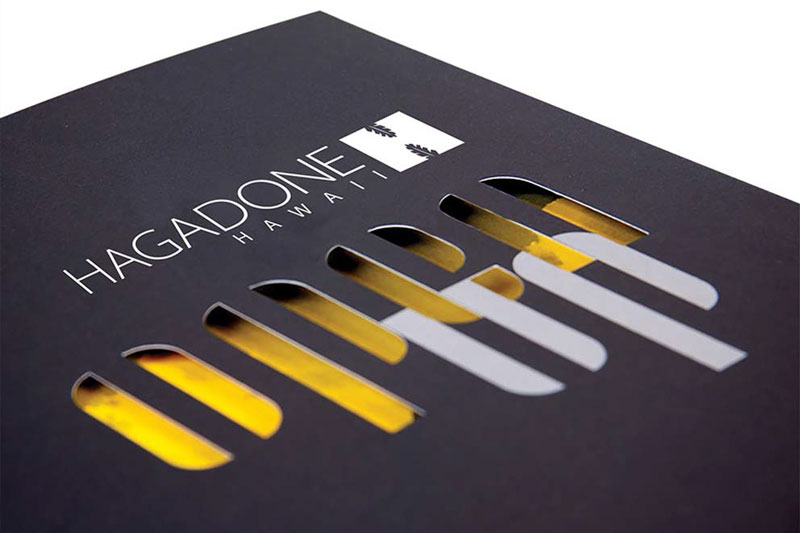
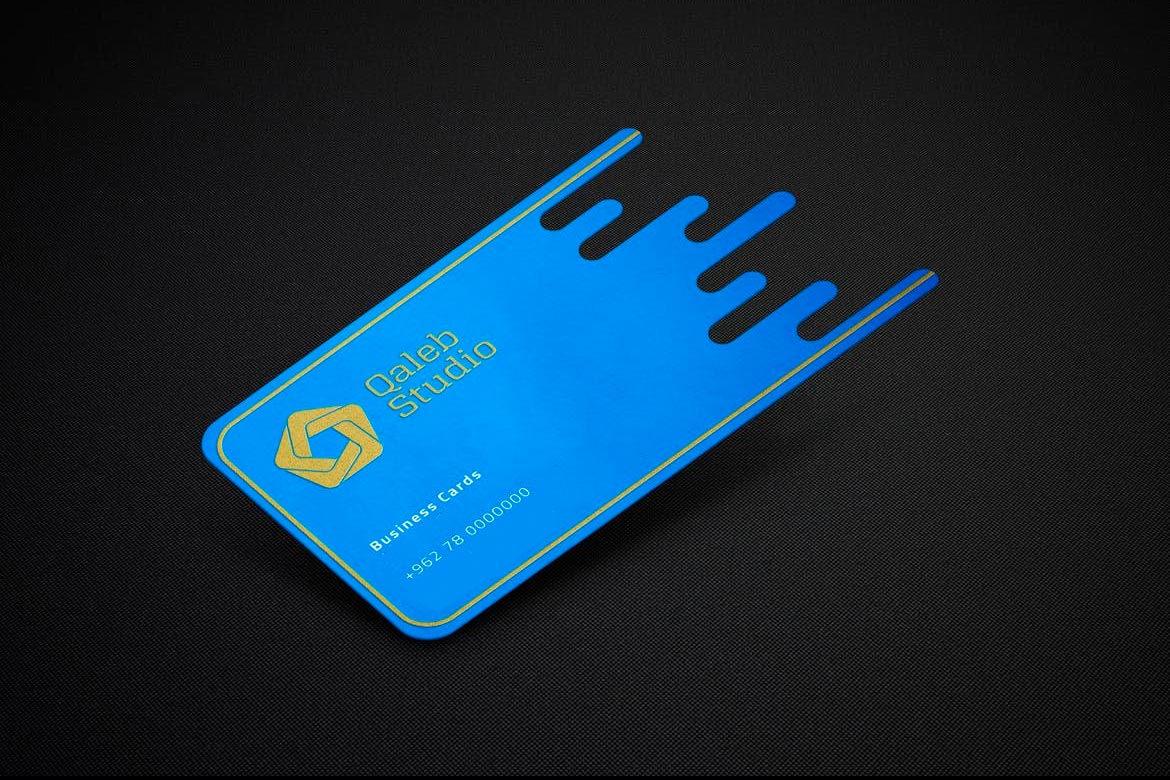
What’s the difference between a simple and complex die cut?
Simple shapes have smooth curves or few angles (e.g., rounded corners, circles, ovals). Complex shapes include tight inside corners, fine details, or many points/interruptions.
How do I set up the die line in my file?
Provide a separate vector die line on its own layer, 100% Magenta or 100% Black, set to “Non-Printing/Die.” Minimum corner radius 1/16" (1.6 mm); avoid inside notches under 1/8".
What file types work best for letterpress artwork?
Vector PDFs (AI, EPS, or PDF/X) with outlined fonts are preferred. If supplying raster art, use 300+ dpi at size, high-contrast, and avoid tiny halftones for best plate fidelity.
What are the minimum line weights and type sizes for clean letterpress?
Positive strokes: 0.35 pt+; reversed (knockout) strokes: 0.5 pt+. Minimum type: 6 pt solid sans serif (7 pt for reverse). Increase sizes for fine serifs or dense areas.
Can I do full-bleed designs with a custom shape?
Yes, include 1/8" (3 mm) bleed beyond the die line and keep live content 1/8" inside the die. Expect ±1/32"–±1/16" tolerance on trim and die alignment.
Will a deep letterpress impression show through on the back?
On 30 pt stock, show-through is minimal, but very heavy solids or tight stacks of text can “bruise” the back. Spread ink coverage and avoid large, fully solid floods for best results.
Do you match Pantone spot colors?
Yes, letterpress uses mixed spot inks. Provide Pantone Solid Uncoated numbers for closest match on uncoated stock; slight shifts are normal due to paper absorption.
Is the uncoated surface writable?
Yes, 30 pt Smooth White Uncoated takes pencil and most pens/markers well. Quick-dry pens reduce smudging on heavy ink areas.
How many cards can I order per set?
Quantities are 250, 500, or 1000 cards per set, with one shape and one artwork version per set. Multiple shapes/art versions require separate sets.
Are rounded corners considered a die cut?
Yes, rounded corners fall under “Simple Shape” die cutting. Specify the radius in your die line; 1/8" is a common, clean-looking radius.
Any setup tips to avoid registration issues with 2–3 colors?
Use spot colors, add 0.25 pt trapping where colors meet, avoid hairline overlaps, and keep tight-fitting elements away from the die edge to reduce compounding tolerances.